
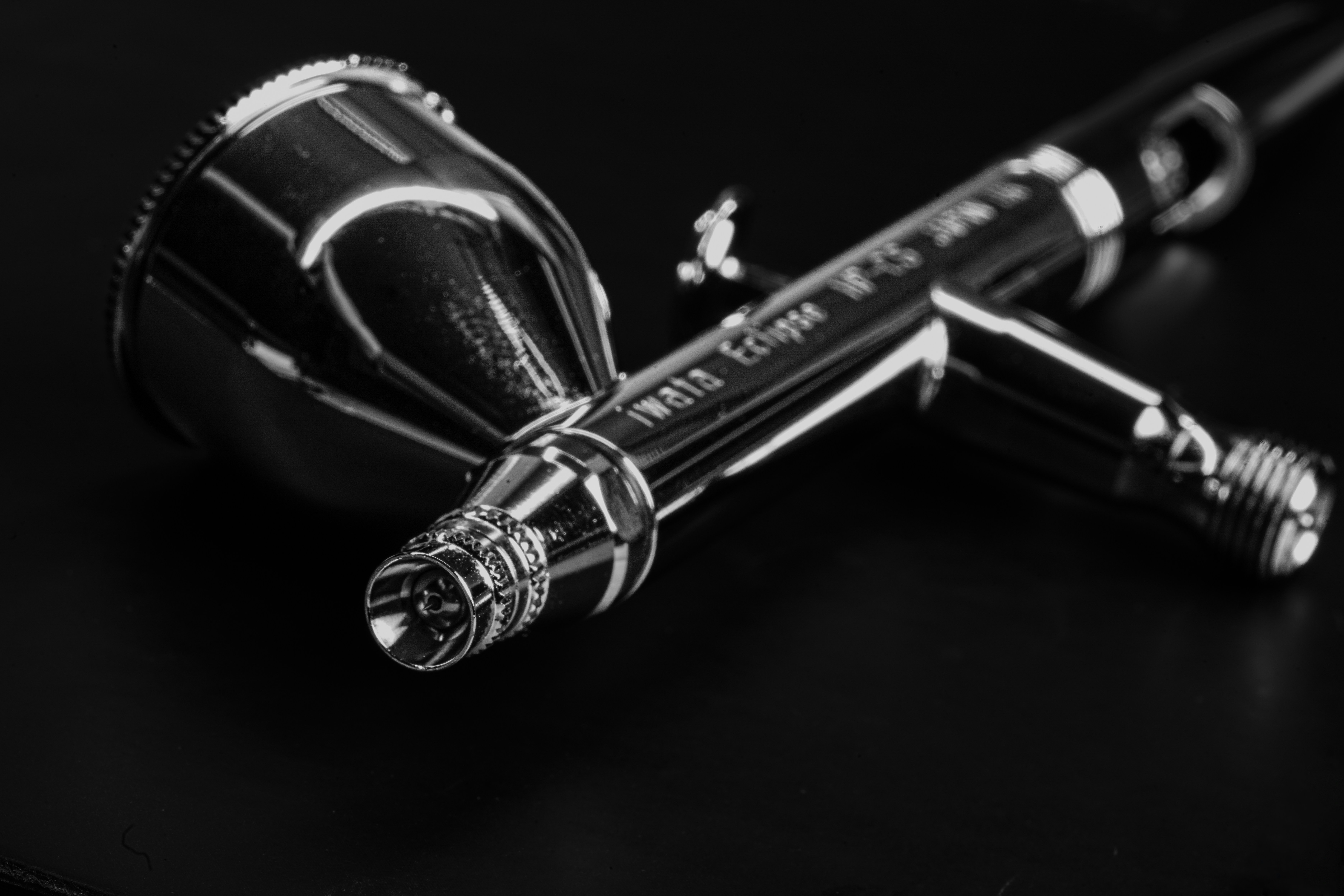
Ever watched a makeup artist mist foundation onto a bride’s face from a little metal gun instead of blending it in with a sponge? I’ve done this more times than I can count, and the look on someone’s face when they see it happen for the first time never gets old. It looks like a magic trick, honestly. No streaks, no visible product, just skin that looks like skin, only better. But there’s nothing mysterious about it, not really, even though half my clients still ask if it hurts (it doesn’t). Airbrush makeup is just a different way of putting color and coverage on your face. The trick is all in how it actually gets there, not in the product itself.
The Basic Definition
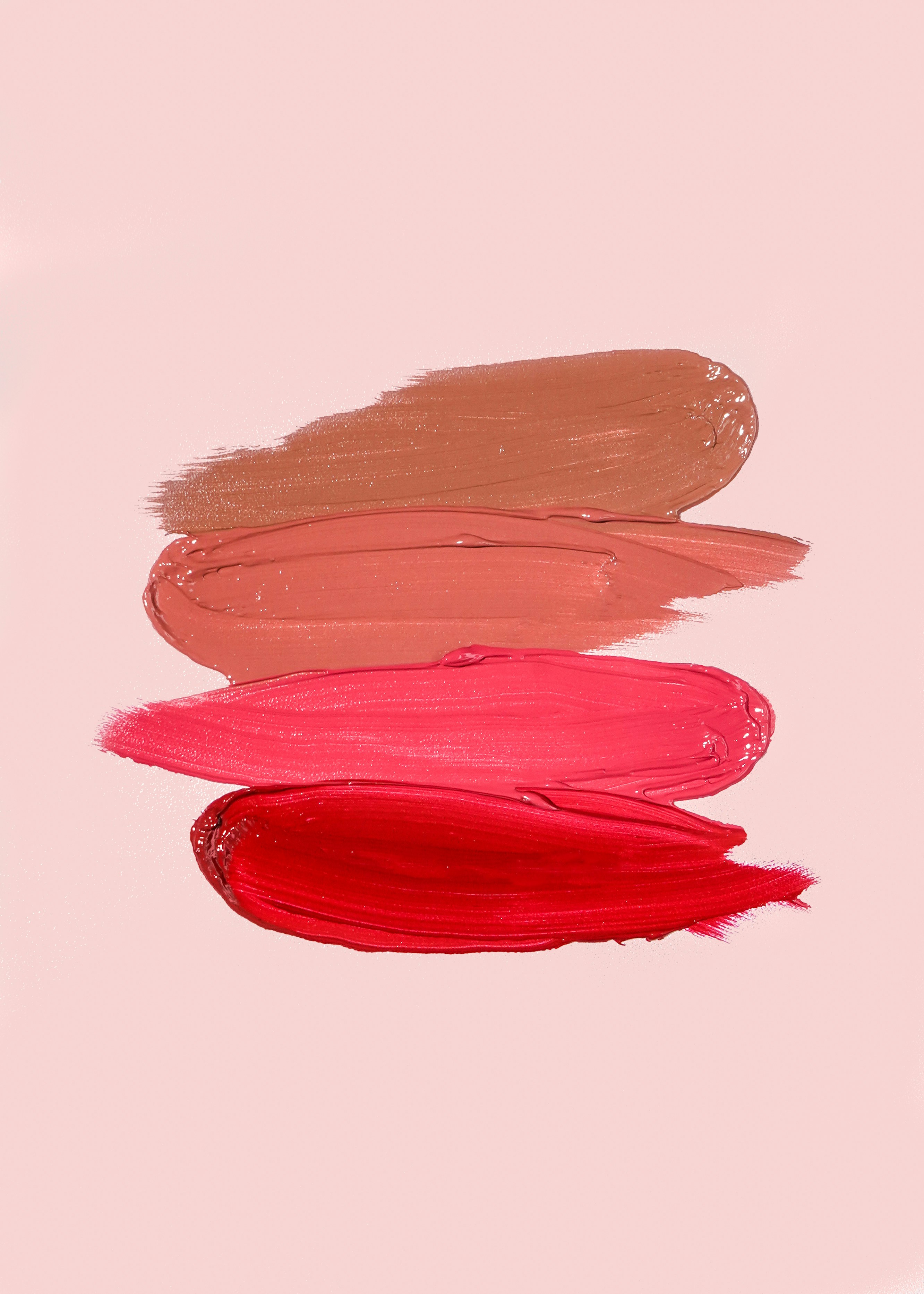
At its core, airbrush makeup means applying foundation, blush, or other products with a small handheld gun connected to an air compressor, instead of your fingers, a sponge, or a brush. The compressor pushes air through the gun, which turns the makeup into a really fine mist. That mist lands on your skin in thin layers, building up little by little until you get the coverage you actually want. You can stop whenever it looks right, which I really like about it.
Because it’s sprayed on instead of pressed in, it sits differently on your skin. No dragging, no pooling into fine lines, none of that visible brush texture you catch under bad bathroom lighting. Honestly, this is the whole reason airbrush has such a good reputation in photos. It’s not that the coverage itself is different, it’s just laid down differently. I still notice it every single time I look through a client’s wedding photos after the fact, there’s just something about how even it looks up close.
Most people picture airbrush as some high tech, complicated process. It really isn’t. It’s just a spray gun and some patience.
How the Airbrush System Actually Works
An airbrush makeup setup comes down to three pieces:
- The compressor: makes a steady stream of air, and no, it’s nothing like the loud ones used for painting cars; the ones made for skin are a lot gentler.
- The airbrush gun: has a trigger that controls both the air and how much product comes out, press for air, pull back for makeup.
- The makeup formula itself: thinner than regular cream or powder so it can actually get through the nozzle without clogging it up.
There are actually two main types of guns too. A dual action gun lets you control the air and the makeup separately with the same trigger, which gives you more control once you get used to it. A single action gun releases a fixed ratio of both at once, which is easier to pick up but means changing the nozzle if you want a different level of coverage or detail [1]. I started on a single action gun, for what it’s worth. Took me a minute to move up from there.
I hold the gun a few inches from the face and move it in light, sweeping motions, building it up as I go. Most artists work somewhere around 30 to 40 PSI when they’re doing a face, and body work sometimes calls for a lot more pressure than that, closer to 70 PSI on a bigger area [2]. Most airbrush foundations dry within seconds of hitting the skin, which is honestly a lifesaver on a wedding day when there’s a hundred other things going on at once.
Water-Based, Silicone-Based, and Alcohol-Based Formulas
Not all airbrush makeup behaves the same way, and the formula matters just as much as the technique does, maybe more if I’m being honest:
- Water-based formulas feel the lightest and are the easiest to build up slowly. I reach for these on regular days, or with clients who just want something light.
- Silicone-based formulas give you a more waterproof, long-wearing finish, which is why they’re my go to for outdoor weddings (California summers taught me that lesson the hard way, more than once).
- Alcohol-based formulas dry almost instantly and give really high coverage, which is why film and body paint artists use them so much. I don’t reach for these on regular clients though, they’re just too drying for everyday wear.
Skin actually treats these formulas pretty differently too. Silicone doesn’t break down on the skin the way water based product does, which is part of why it holds up so much longer through a long day [2]. One thing I tell every single trainee I’ve ever worked with: never mix formulas in the same gun. Alcohol and silicone together is a mess you don’t want to clean up [2].
Removing silicone based makeup at the end of the night needs more than soap and water too, usually a mix of isopropyl alcohol and isopropyl myristate does the trick [1].
The Finishes Airbrush Makeup Can Actually Achieve
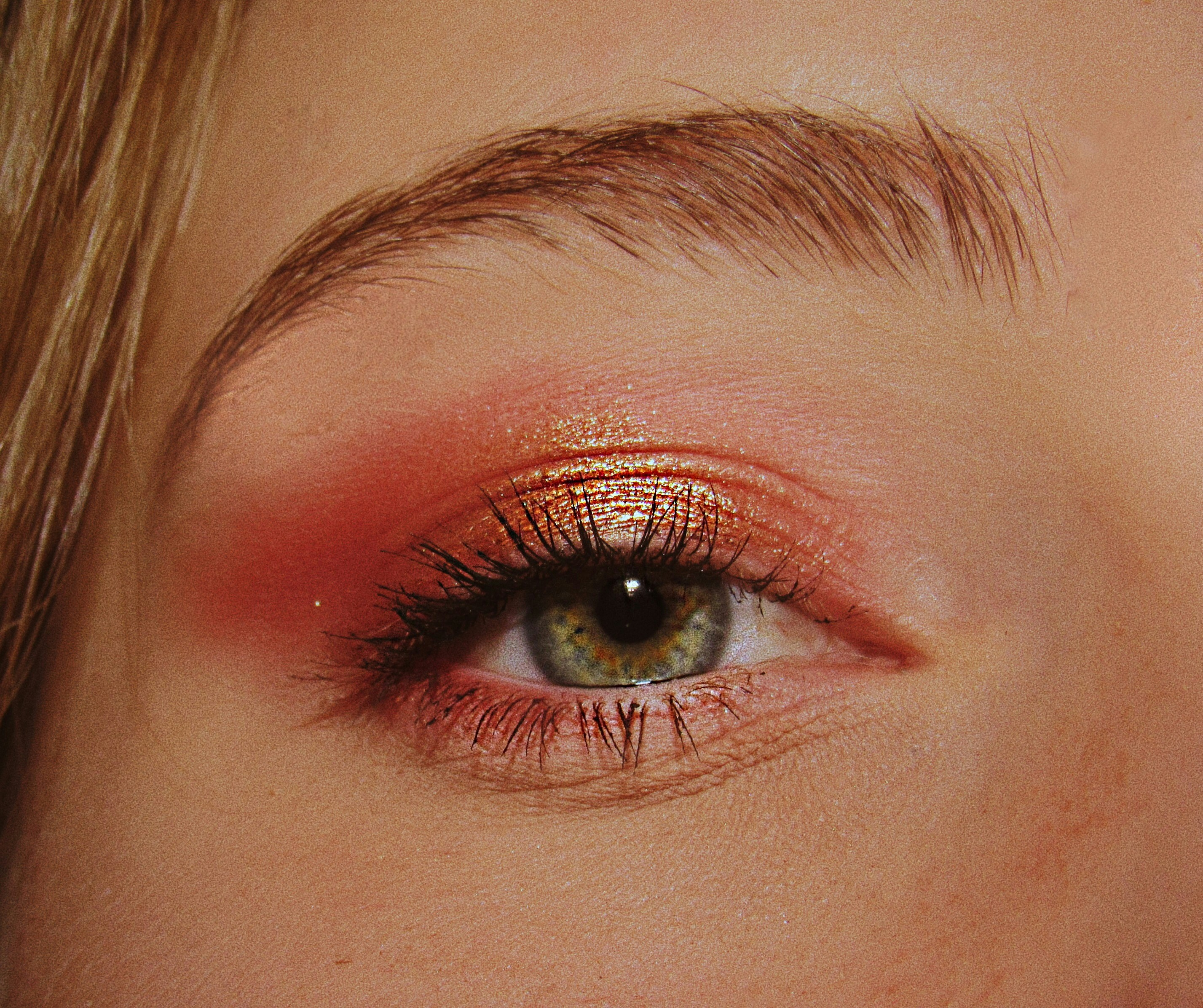
People assume airbrush only does one look, some stiff matte mask. That’s just not true, and it’s honestly one of my biggest pet peeves. The finish depends entirely on the formula and the technique, and it can be anywhere from:
- A natural, skin-like finish with sheer to medium coverage
- A soft, dewy glow that’s a favorite for bridal looks
- A fully matte, high-coverage finish built for photography and video
- Full-coverage special effects or body-painting work, where airbrush handles color layering well beyond just foundation
That range is a big part of why airbrush has moved so far past its bridal only reputation. I’ve used the same gun for a soft everyday look and for full body paint on the same weekend, which still feels a little wild to say out loud.
Where You’ll Actually Find Airbrush Makeup
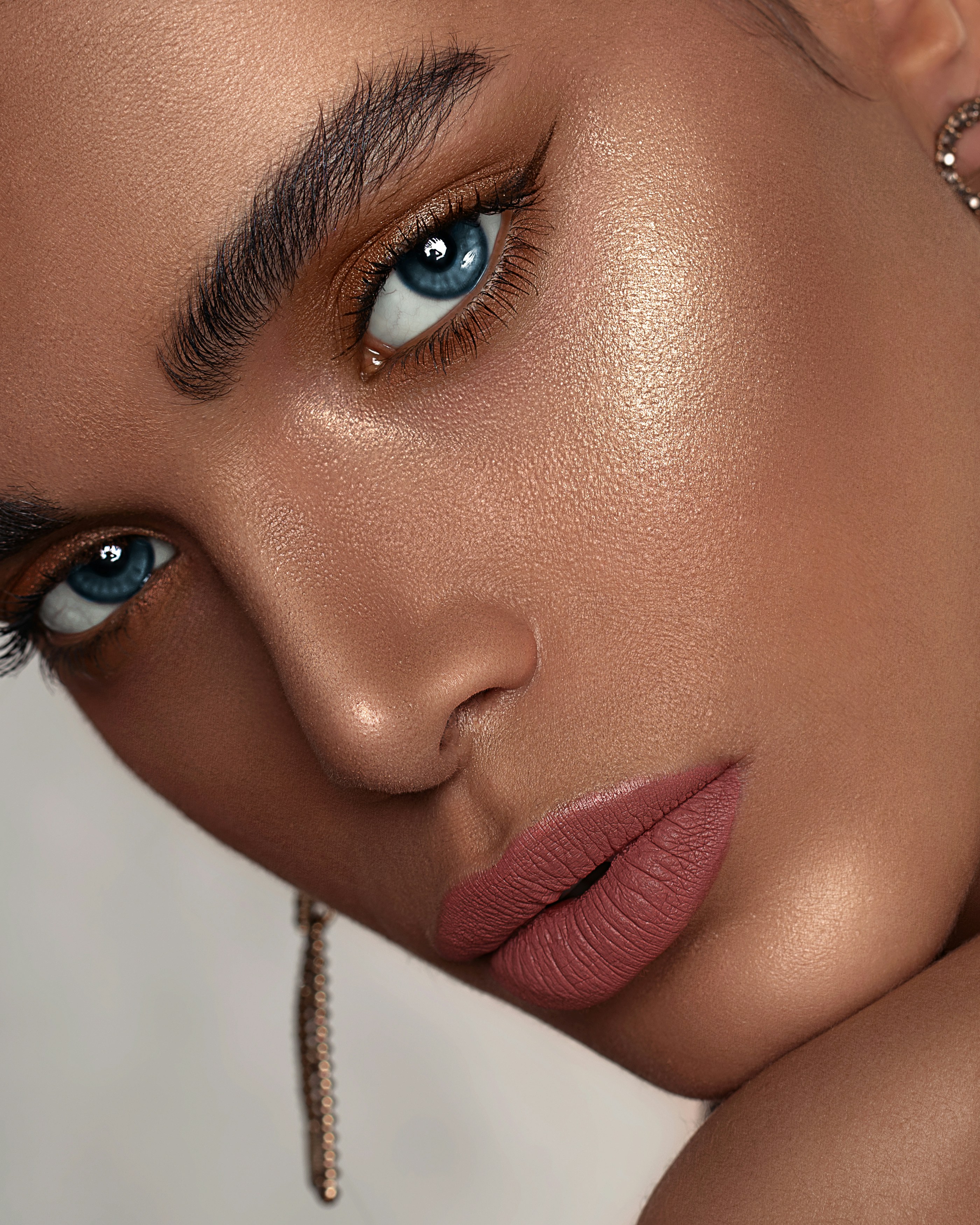
Airbrush shows up in more places than people realize:
- Bridal makeup, obviously, since long wear and photo-readiness matter on a day that’s this documented, and it’s worth reading up on airbrush makeup for weddings before you book anyone for your own
- Television and film, where high-definition cameras catch every bit of texture, and where professional grade compressors are basically the industry standard for full control over pressure and technique [3]
- Editorial and fashion photography, for the same reason
- Special effects and body art, where the technique lets an artist layer color across a lot of skin at once
- Everyday, at-home use, now that smaller consumer kits exist
Funny enough, this technique’s been around since the 1920s, way before any of us were doing HD close-ups or even had HD to worry about [1]. Kind of puts things in perspective when you’re standing there with a modern little compressor that fits in a tote bag.
Why People Choose Airbrush Over Traditional Application
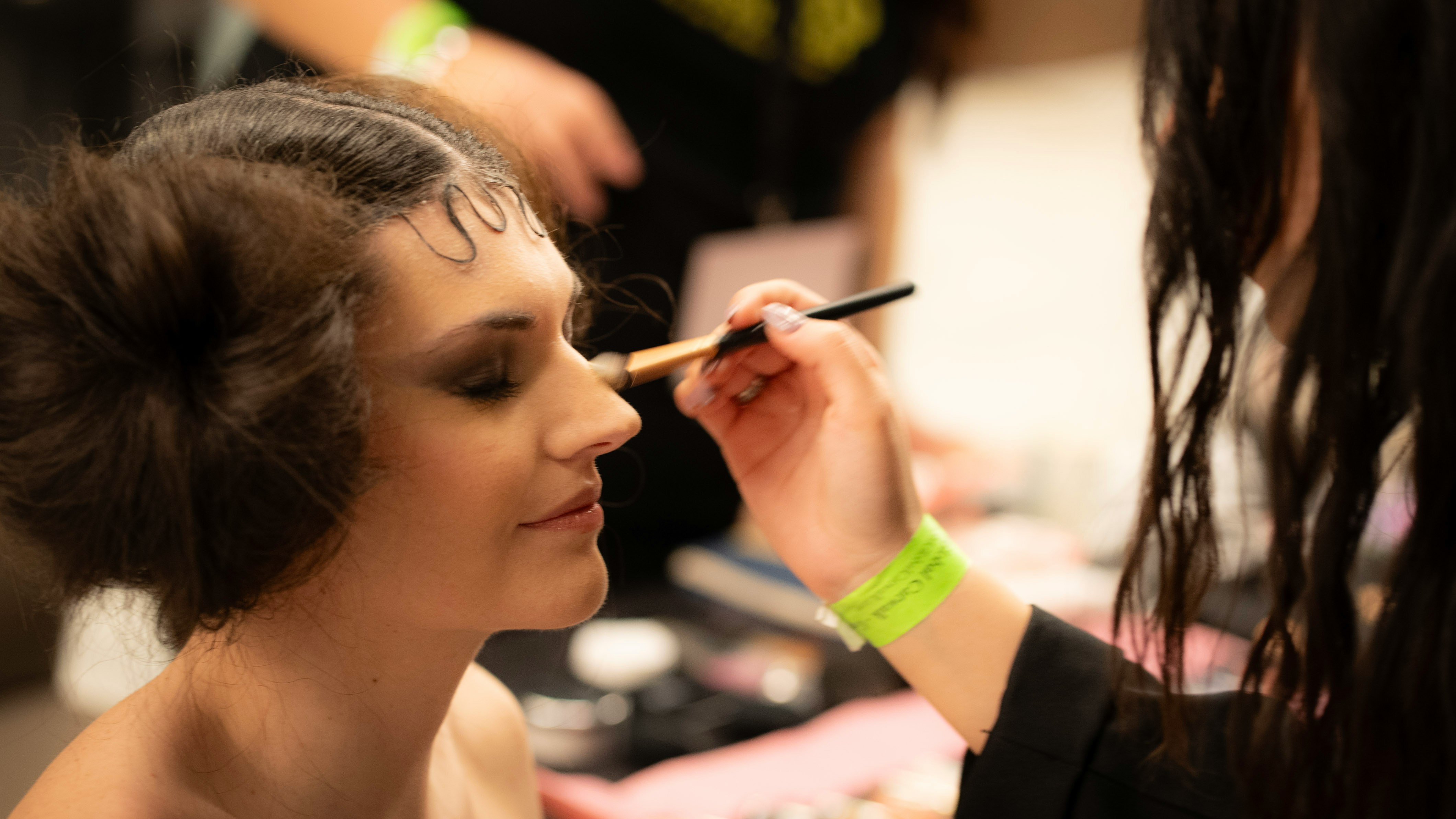
The appeal usually comes down to a few things:
- It lasts longer: especially in silicone or alcohol formulas, particularly in heat or humidity, and it’s worth understanding how long does airbrush makeup last in more detail before deciding if it’s right for your event.
- You can build real coverage without it ever feeling heavy or cakey.
- It resists smudging and transferring better than most hand-applied product.
- It just performs better on camera: the finish catches light more evenly, which is why it’s still the standard in film and broadcast [3].
I’ll be honest, I didn’t fully believe that last one until I saw it myself on a shoot, side by side with traditional makeup under the same lights. The difference was bigger than I expected.
What to Know Before You Try It
Airbrush isn’t automatically the better choice for every person or every situation. It’s a tool, and it’s got its own learning curve and its own best uses. Getting comfortable with gun distance, layering speed, picking the right formula, that takes practice. The equipment costs more upfront than a basic makeup bag too, and a decent starter setup isn’t exactly cheap.
Most people’s first time with airbrush is through a professional at some event, not on their own at home. From there plenty of people go on to try consumer kits for themselves once they’ve got a feel for how it behaves on their own skin. Took me a long time to feel like I actually knew what I was doing with it, if I’m being honest, longer than I expected going in.
This piece is part of our Airbrush Fundamentals series. Curious how airbrush stacks up against traditional application step by step? I wrote a whole guide on that here: airbrush vs. traditional makeup.